I spent a lot of time in theaters this year. I spent much more in bed or on the couch, sometimes dutifully checking movies off an unmanageably long watchlist but more often watching ones I’d only just found out about I suddenly felt needed to be seen that instant.
I hate best-of lists or rankings as systems in which to organize something as valuable and personal as art; I think it cheapens the work of those responsible for it. I look at this list more as an exercise in reflection — an opportunity to revisit movies that enriched my year in some way and, by extension, more directly point readers in the direction of essential movies that this website, by design, only sometimes does, since I watch and write about what I do based on a given month’s theme rather than quality.
Below, in no particular order, are the best movies I saw this year that were not released in 2023. Descriptions alternate between spur-of-the-moment thoughts and excerpts from longer reviews, which are linked when applicable.
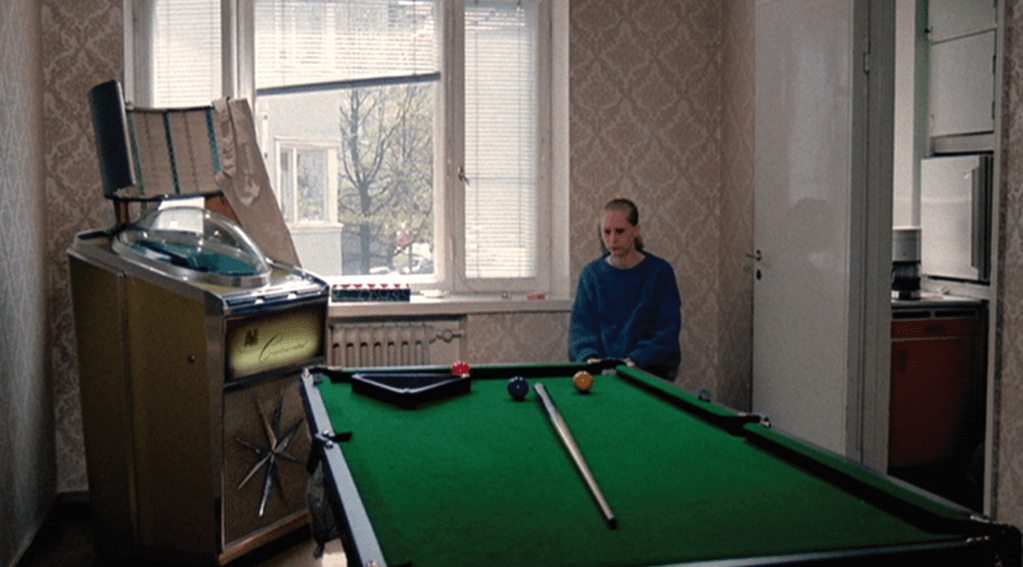
Kati Outinen in The Match Factory Girl.
The Match Factory Girl (1990), dir. Aki Kaurismäki
Who does quiet devastation quite like Kaurismäki?
Like Someone in Love (2012), dir. Abbas Kiarostami
This great, slippery drama was Kiarostami’s second movie made outside his native Iran and the last he saw released in his lifetime.
Love Letters (1983), dir. Amy Holden Jones
Featuring one of Jamie Lee Curtis’ best performances, Love Letters is like a yellow-paged romance potboiler with the emotional dishonesty taken out.
A Very Natural Thing (1974), dir. Christopher Larkin
A groundbreaking, gay male-centric romantic drama whose quality is tantamount to its importance.
A Woman Like Eve (1979), dir. Nouchka van Brakel
This frank, ahead-of-its-time marriage drama trains its focus on a housewife who leaves her dominating husband for another woman.
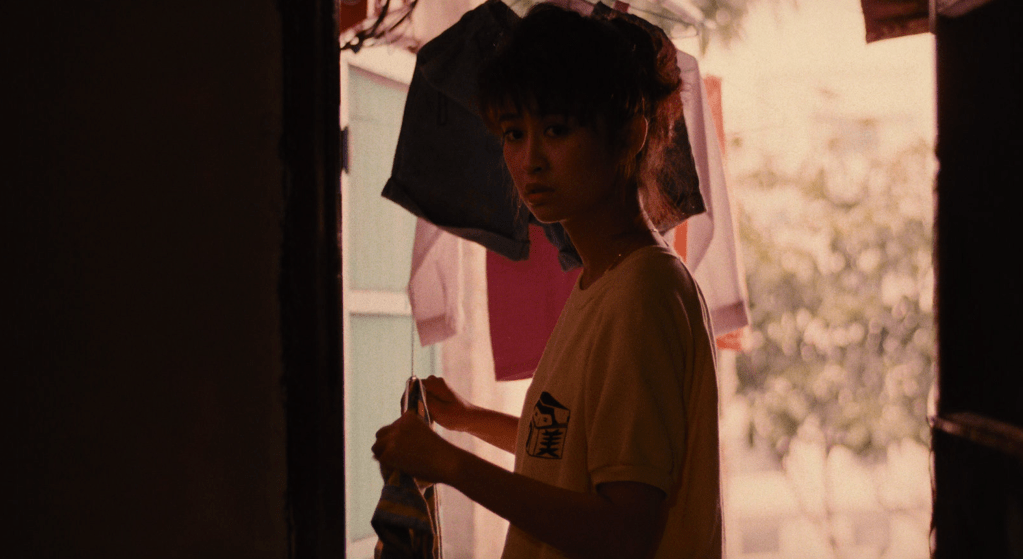
Lin Yang in Daughter of the Nile.
Daughter of the Nile (1987), dir. Hou Hsiao-hsien
A poignant, sensitive movie about an orphaned young woman (Lin Hsiao-yang) trying, but struggling, to be the glue holding together her increasingly fractured family.
Aroused (1966), dir. Anton Holden
A woozy, confrontationally photographed serial-killer thriller.
The Tarnished Angels (1957), dir. Douglas Sirk
Typical — and typically powerful — melodrama from a master of the form.
Mute Witness (1995), dir. Anthony Waller
An excruciatingly tense thriller about a mute makeup artist working on a film set who accidentally witnesses the making of a snuff film.
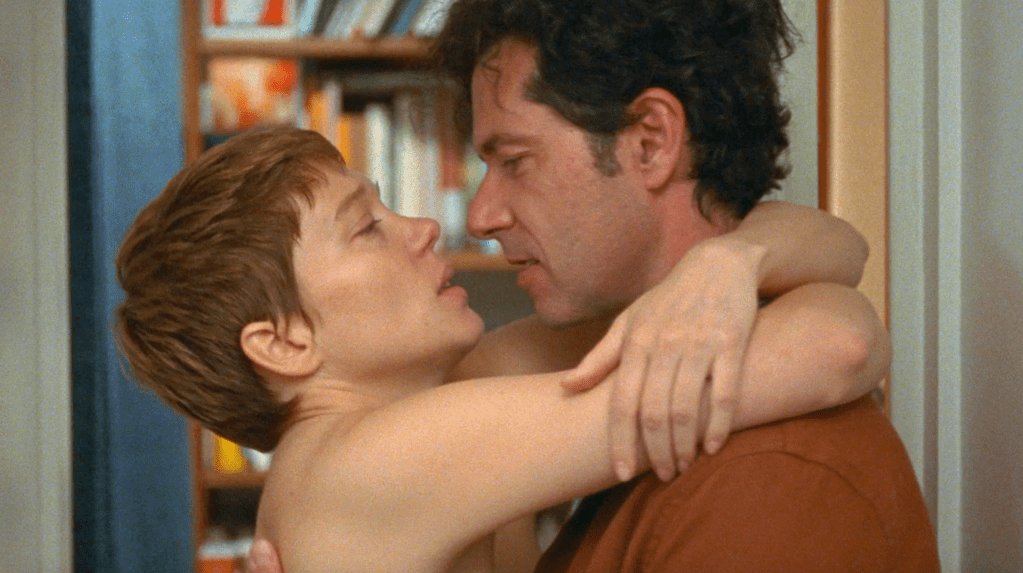
Léa Seydoux and Melvil Poupaud in One Fine Morning.
One Fine Morning (2022), dir. Mia Hansen-Løve
One Fine Morning looks for the profound in the ordinary; Hansen-Løve and lead Léa Seydoux make the search feel more than worthwhile.
All the Beauty and the Bloodshed (2022), dir. Laura Poitras
A riveting look at the life and work of the artist and activist Nan Goldin.
Queen of Diamonds (1991), dir. Nina Menkes
The recent release of Menkes’ embarrassing-sounding documentary Brainwashed: Sex-Camera-Power made me want to watch the movie she is, in contrast, widely celebrated for: a lonesome portrait of a blackjack dealer. I found it haunting.
Home from the Hill (1960), dir. Vincente Minnelli
Juicy family melodrama whose two and a half hours go by fast.
Vanya on 42nd Street (1994), dir. Louis Malle
An innovative, enthralling approach to Uncle Vanya featuring exceptional work from everybody involved.
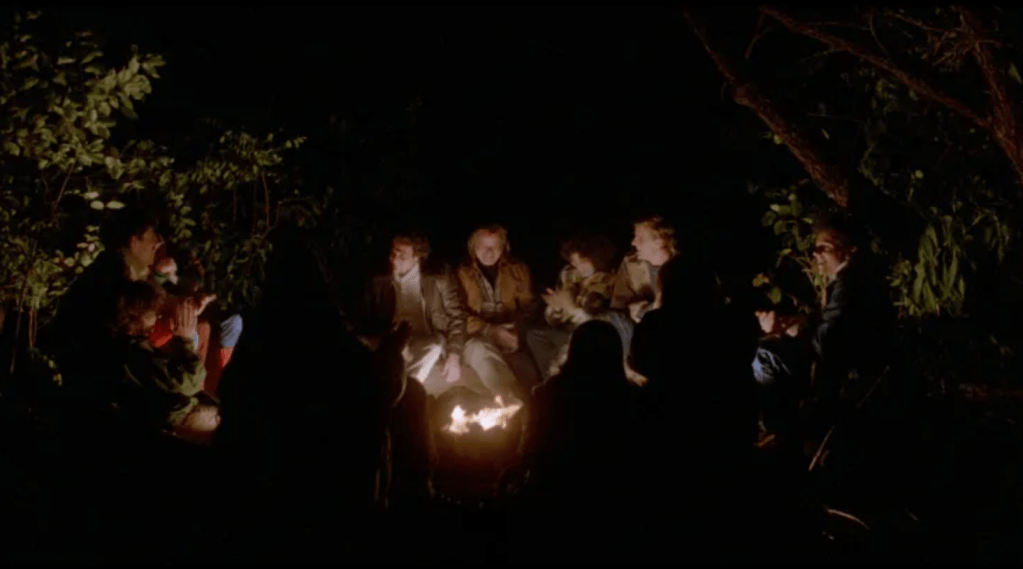
From Madman.
Madman (1981), dir. Joe Giannone
Narratively this slasher is a dime-a-dozen; visually it’s a surprising triumph, giving its outdoor setting a painterly pastoralism I haven’t forgotten.
Unzipped (1995), dir. Douglas Keeve
I couldn’t help but wish this documentary, barely more than an hour, were longer — maybe even long enough to comfortably stretch across several episodes — mostly because its fashion-designer subject, Isaac Mizrahi, emanates the kind of electricity that makes him thrilling to be around.
Vamp (1986), dir. Richard Wenk
A fun, stylish testament to Grace Jones’ otherworldliness.
The Woman on the Beach (1947), dir. Jean Renoir
A dreamy romantic thriller that makes terrific use of Joan Bennett’s dark beauty.
Will Success Spoil Rock Hunter? (1957), dir. Frank Tashlin
A perfect example of the sharp, boingy style of satire with which Tashlin is today most associated.
Dead Man Walking (1995), dir. Tim Robbins
Susan Sarandon!
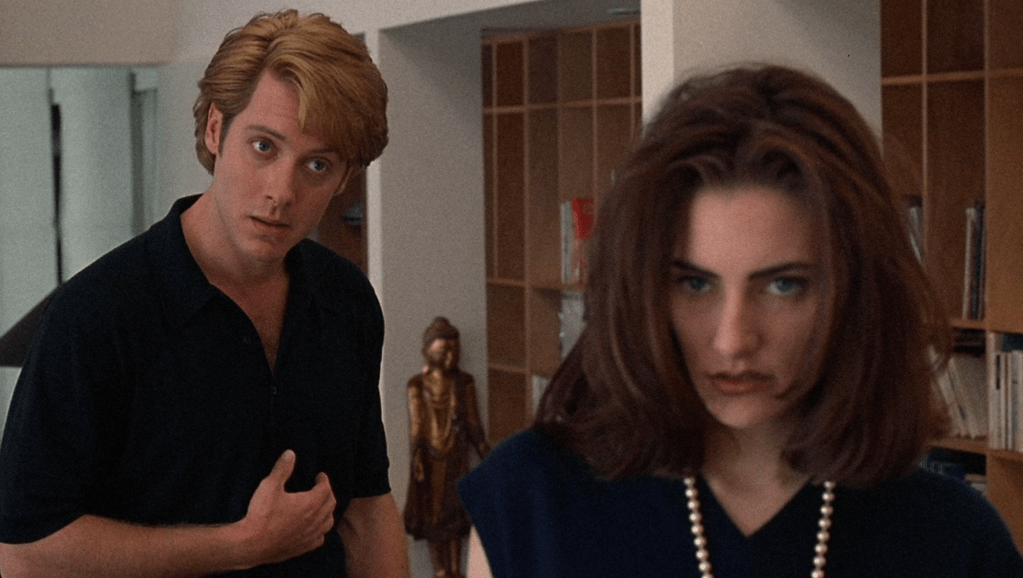
James Spader and Mädchen Amick in Dream Lover.
Dream Lover (1993), dir. Nicholas Kazan
A really frightening psychological thriller easy to mistakenly take at face value that unfurls from the perspective of a delusional, jealous misogynist. Would make for a great, if supremely unenjoyable, double feature with Claude Chabrol’s L’Enfer (1994).
The Vampire Doll (1970), dir. Michio Yamamoto
Bewitching and beautifully made horror from Japan.
The River Wild (1994), dir. Curtis Hanson
An exciting white-water adventure that made me wish Meryl Streep got to lead action movies more often.
Killer Klowns from Outer Space (1988), dir. Stephen Chiodo
That I kept falling in and out of sleep, rewinding as needed, watching this accidentally helped its big-top nightmarishness.
Wendy and Lucy (2008), dir. Kelly Reichardt
This one hurt.
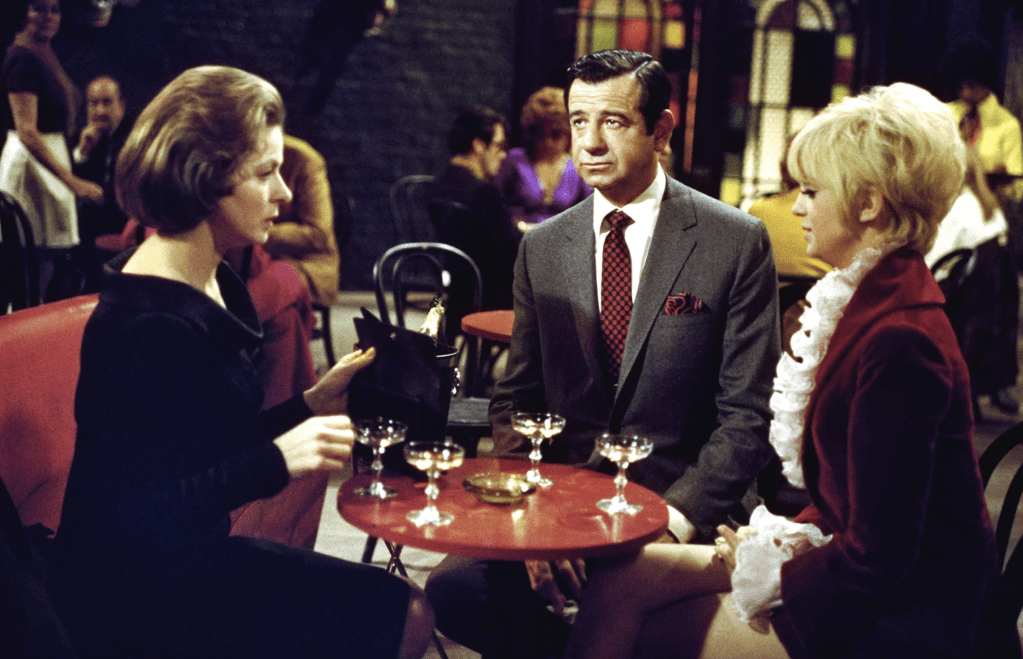
Ingrid Bergman, Walter Matthau, and Goldie Hawn in Cactus Flower.
Cactus Flower (1969), dir. Gene Saks
Everybody is on their A game in this pitch-perfect farce.
PlayTime (1967), dir. Jacques Tati
I’m mad at myself for putting this off for so many years; Tati achieves something close to wizardry in his meticulous comic staging.
Shakedown (2018), dir. Leilah Weinraub
An immersive, 15-years-in-the-making documentary about a Black-lesbian strip club in Los Angeles during its early-aughts heyday.
Greetings from Washington, D.C. (1981), dir. Lucy Winer
One becomes accustomed to decades-old cinematic accounts of LGBTQ+ life being skimpy in their joy; this short documentary, which grabs footage from the first National March on Washington for Lesbian and Gay Rights, movingly makes it a point to emphasize the love and passion among its participants to underscore what’s being fought for.
Common Threads: Stories from the Quilt (1989), dir. Rob Epstein and Jeffrey Friedman
Several of the families whose late loved ones were included in the NAMES Project AIDS Memorial Quilt memorialize the departed in a documentary that broke me.
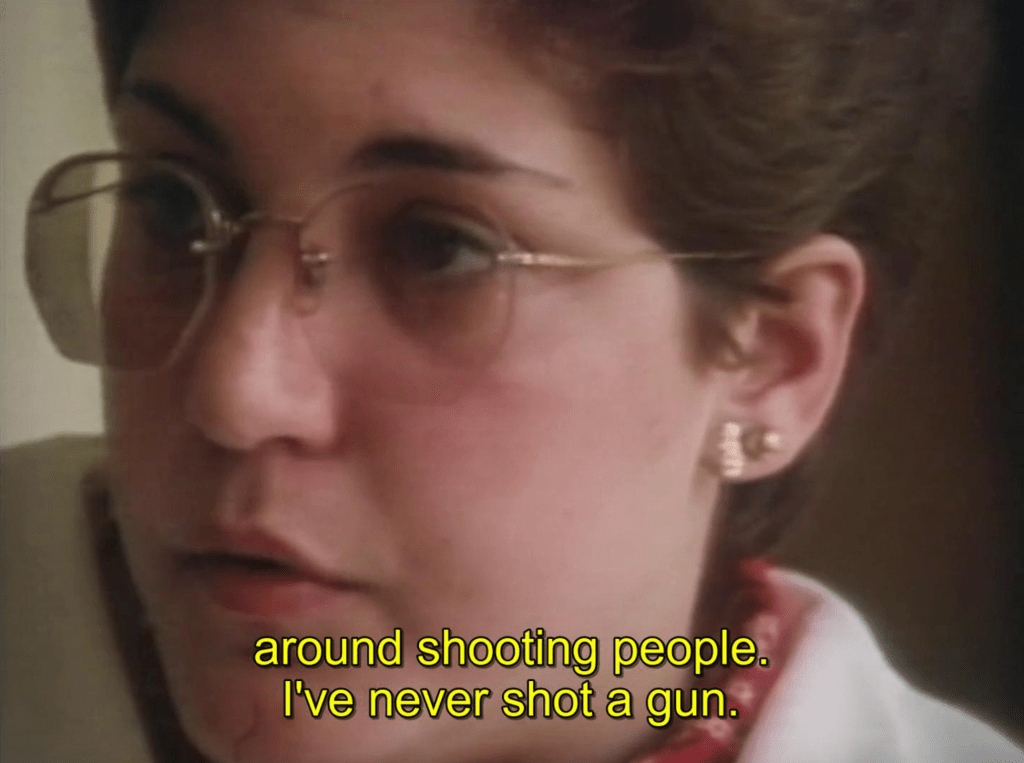
From When Women Kill.
When Women Kill (1983), dir. Lee Grant
Grant is one of our greatest living actresses; it’s been a joy these last few years getting acquainted with Grant the filmmaker, who’s responsible for some of the most essential, empathetic documentaries of the 1980s. This one — surveying women who have killed as an effect of abuse, brainwashing, and more — is no exception.
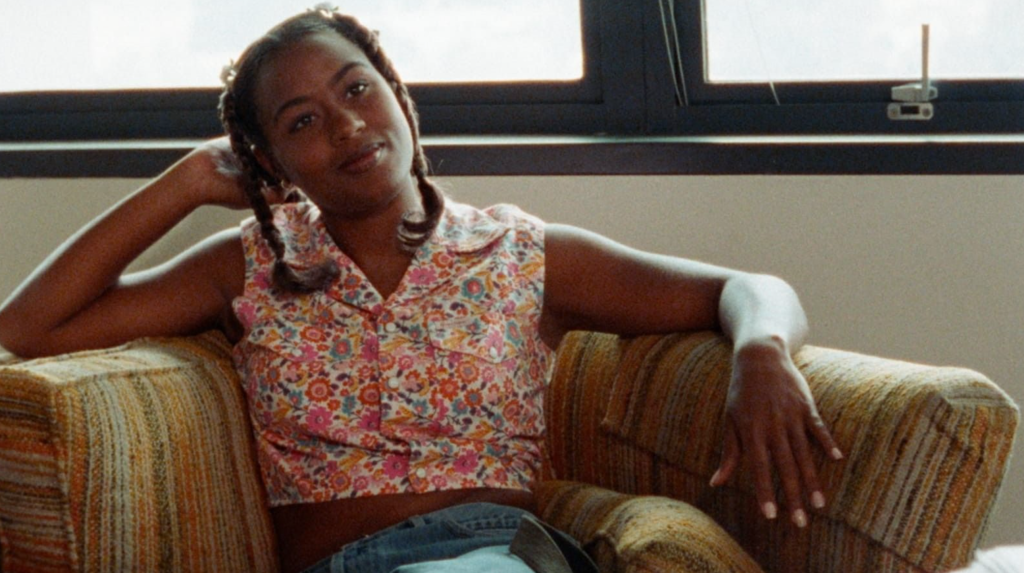
Drylongso (1998), dir. Cauleen Smith
A major achievement from a one-time feature filmmaker that’s also the kind of discovery where disappointment over what could have been, but never happened, tempers some of our excitement.
White Material (2009), dir. Claire Denis
The austere styles of lead Isabelle Huppert and director Denis coalesce for an intense, confrontational movie speaking to what they both do so well.
Four Adventures of Reinette and Mirabelle (1987) and A Tale of Autumn (1998), dir. Éric Rohmer
I often turn to Rohmer when in need of a movie that feels like a cool breeze; these movies gave me what I wanted and, naturally, much more.
Beauty and the Beast (1946), dir. Jean Cocteau
Some movies are so gorgeous that they take your breath away; this adaptation of Jeanne-Marie Leprince de Beaumont’s version of the fairy tale is one example, made more extraordinary by the difficult historical circumstances surrounding it.
The Kneeling Goddess (1947), dir. Roberto Gavaldón
One of my favorite things this year was discovering the formidable presence of the Mexican superstar María Felix; I’m going to need more of her movies to be more easily accessible to watch. (I was going to have her be star of the month a little after seeing her stunning work in The Kneeling Goddess, but after struggling to find essentially any of her movies on a reliable platform, I hesitantly gave up.)

Diana Sands in The Landlord.
The Landlord (1970), dir. Hal Ashby
Another one of my favorite things this year was getting to better know Diana Sands, frankly amazing in this whip-smart dark comedy and then suddenly dead three years later from cancer.
Piccadilly (1929), dir. E.A. Dupont, and Daughter of Shanghai (1937), dir. Robert Florey
Anna May Wong — widely considered the first bonafide Chinese American movie star — didn’t often get the chance to star in movies worthy of her time. These two movies are among the very few.
Documenteur (1981), dir. Agnès Varda
I frequently go to Varda when I need to recenter myself. This wistful movie, about a Frenchwoman (Sabine Mamou) living in Los Angeles figuring out single motherhood after a breakup, was a big help.
Elvira Madigan (1967), dir. Bo Widerberg
Detractors tend to say that the overwhelming pastoralism of Bo Widerberg’s doomed romance undermines the bleak direction in which the film eventually goes. That’s hardly the case.
Veronika Voss (1982), dir. Rainer Werner Fassbinder
The last film Fassbinder released in his productive, short lifetime is characteristically thorny and startlingly acted.
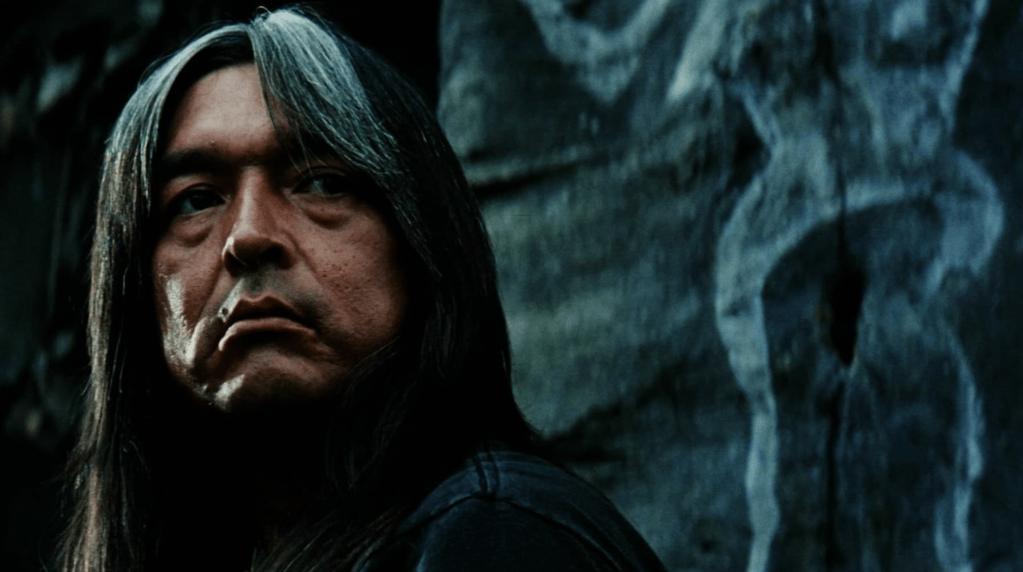
Graham Greene in Clearcut.
Clearcut (1991), dir. Ryszard Bugajski
Graham Greene is a force in Bugajski’s chilling, thought-provoking 1991 thriller.
Blanche Fury (1948), dir. Marc Allégret
I hate to describe something as “delicious,” but that’s the first word that comes to mind when reflecting on this Gothic melodrama about a couple of guileless social climbers working tirelessly to gain control of a rich family’s estate.
The White Reindeer (1952), dir. Erik Blomberg
Recognized as one of Finland’s first genre movies, Blomberg’s feature debut is a snow-choked story of domestic malaise and transformation.
Baby Blood (1990), dir. Alain Robak
Carrying a baby to term is already hard enough. What if you had to lug around a parasite forcing you to feed on human blood, too?
Los Angeles Plays Itself (2003), dir. Thom Andersen
Some of the most profound, wide-ranging film criticism I’ve ever encountered.
The Devil’s Wedding Night (1973), dir. Joe D’Amato and Luigi Batzella
This very enjoyable riff on the classic Dracula formula finds Mark Damon playing identical twin brothers searching for a magic red ring said to be somewhere in Transylvania.
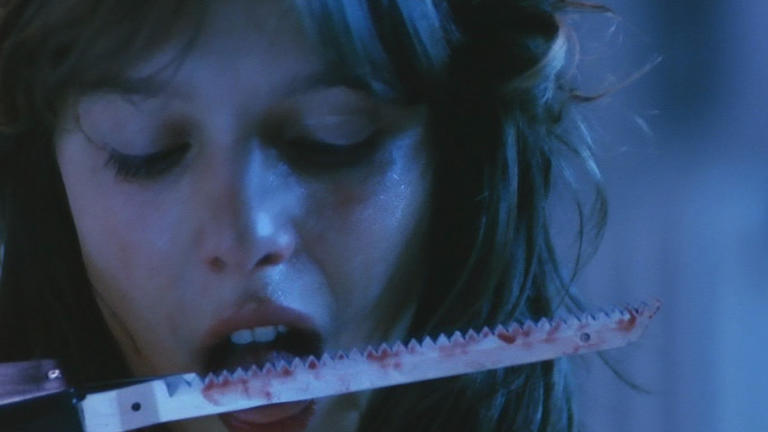
Désirée Nosbusch in The Fan.
The Fan (1982), dir. Eckhart Schmidt
One gets so used to the heightened quality of horror movies that the profound unpleasantness of a film like The Fan — which takes a plausible scenario (an obsessed fan lethally confronting the star they can’t stop thinking about) and dramatizes it with unflinching verisimilitude — can feel surprisingly vital, approaching the genre with an uncommon dose of literalism.
The Great Texas Dynamite Chase (1976), dir. Michael Pressman
I loved hanging out with these girls maybe more than any other characters I met this year.
The Strange Woman (1946), dir. Edgar G. Ulmer
In the vein of the previous year’s Leave Her to Heaven, the fun of‘ The Strange Woman is primarily found in our desire to see its villainess get away with her crimes.
She Freak (1967), dir. Byron Mabe
The excess padding of aimless carnival footage in She Freak is an obvious attempt by Mabe, a director used to making movies with budgets of pennies and piles of lint, to get the film to a respectable-enough 83 minutes. But it actually works to the film’s benefit, generating such a strong sense of business-as-usual mundanity that it makes the horrific ending that much scarier — unspeakable horror hidden in plain sight.
What’s Cooking (2000), dir. Gurinder Chadha
What’s Cooking? strikes the right balance between tender and bruising; it’s a holiday movie that gives you the heartwarming touches for which you may seek one out without insulting your intelligence in the process.
Rouge (1987), dir. Stanley Kwan
The devastations of Kwan’s haunting, sumptuously shot romantic fantasy have hit harder in the years following the tragic, premature deaths of its leads.
Lone Wolf and Cub: Baby Cart at the River Styx (1972), dir. Kenji Misumi
The second of the nine-movie-long Lone Wolf and Cub action series is so expertly edited and choreographed that it sometimes felt no different from ballet.

