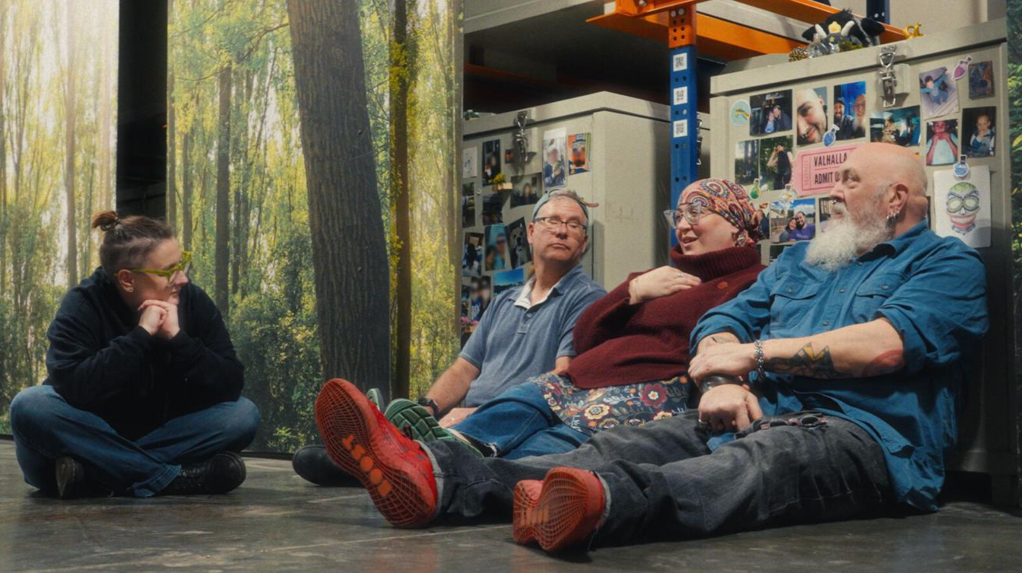
We internalize a couple things about mortality when we’re young. Everybody is fated to die one day, and when we die we have the option to either have our body cremated, our ashes to be sentimentally contained or scattered, or laid to rest in a coffin and buried.
Since 2021, Auburn death care organization Return Home has offered an alternative to those culturally ingrained traditions. Legally approved in 2019 and put into effect in 2020 in Washington — the first state to do so — Return Home’s specialty, human composting, entails that one’s remains are gradually turned into soil through a painstakingly guided decomposition process. The practice is environmentally friendlier than its more widely recognized counterparts. Cremation releases 360,000 tons of carbon dioxide every year, and burials annually see 2.5 million gallons of toxic chemicals soak into the Earth, according to a 2025 Earth Funeral report. (Human composting, in contrast, can reduce carbon emissions by roughly one metric ton per person, according to data cited by Return Home.)
Read the full story at South Sound.
Image: Pushing Daisies LLC

