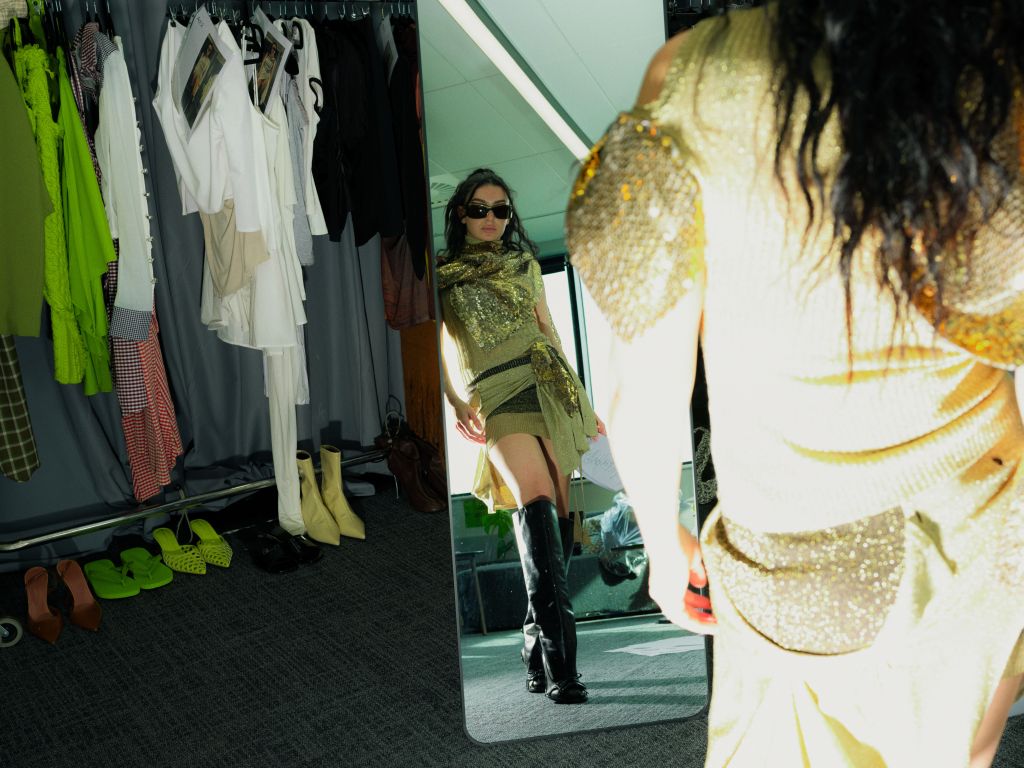
A little more than a month after the release of their sophomore album, the Spice Girls starred in Spice World (1997), a reality-distorting comedy about their insular lives said to be “based on an original idea” they’d conceived with manager Simon Fuller. The Moment, an Aidan Zamiri-helmed mockumentary orbiting around the arena tour-planning for Charli XCX’s recent Brat (2024) era, winkingly shares a nearly identical tagline. It also taps into the anything-could-happen spirit of not just the girl group’s real- and fake-blurring movie but the likes of the Beatles-centered romp A Hard Day’s Night (1964); Christopher Guest’s seminal rock doc-lampooning This is Spinal Tap (1984); and the Madonna-focused Truth or Dare (1991), which is technically an actual documentary yet arouses suspicions that its followed-around pop star is heightening things for the camera, at once giving unfettered access and assertively setting the boundaries demarcating the persona from the person.
The consistently funny The Moment is good enough that you’re aware of its influences without making you think that much while you’re watching it about the films to which it might be inferior. A chaotic, leech-infested comedy that has a similar feeling to gripping for dear life onto something with slippery fingers, The Moment is speculative fiction in which Charli, a capable actress, portrays an aloof and flighty version of herself unsavvy enough to peace out to Ibiza for a multiday vacation at an especially crucial professional juncture. Its narrative compiles a series of “what ifs” answering a common question: What might have happened if Brat — a global phenomenon kind of album so good in part because of its abrasiveness and disinterest in mass appeal — and its subsequent Brat summer-christened rollout were so bogged down with brand-betraying commercial concessions that it ultimately destroyed her career?
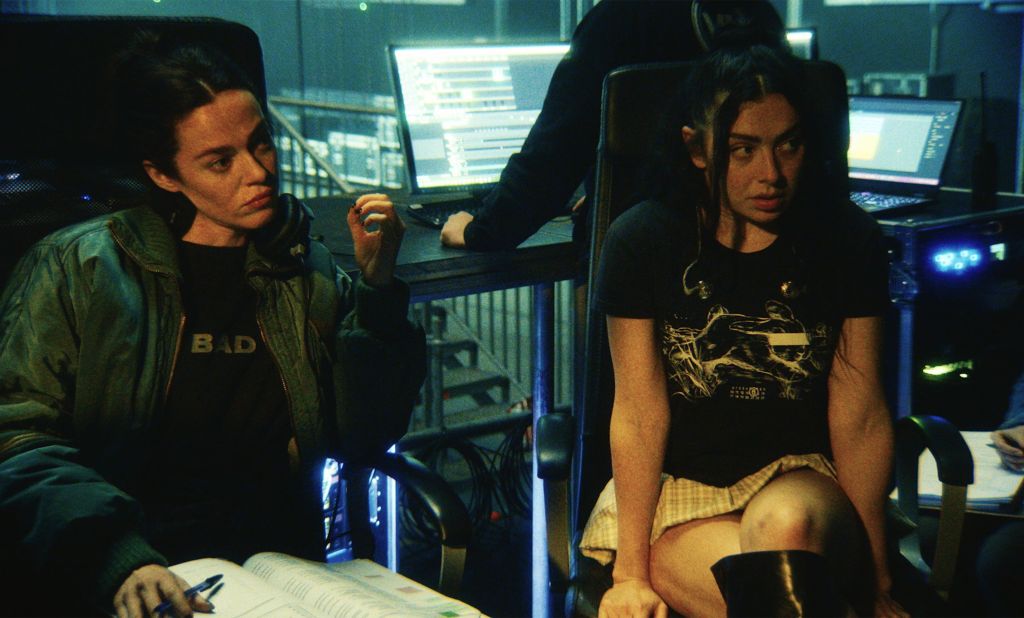
Hailey Gates and Charli XCX in The Moment. All The Moment imagery courtesy of A24.
Brat’s success was so gratifying for longtime Charli fans to witness partly because she’d finally broken through, after years of underappreciated hustling, with an album entirely unmarked by songs that felt like she was gunning for a hit. Charli is undoubtedly aware that the LP speaks to the power of staying true to one’s artistic vision, so The Moment, a nightmare scenario realized, can be colored by a feeling that she’s patting herself on the back for her restraint when faced with lucrative opportunities and wants us to join her. Aren’t you glad I didn’t agree to every brand deal or make every public appearance that was offered to me?, she seems to be asking her adherents, the film deployed like a microphone.
That would be much more of a self-aggrandizing put-off if it weren’t also made sympathetically obvious in The Moment that Charli’s dramatized anxieties and uncertainty in her instincts are foundationally real. Seeming to worry that viewers wouldn’t understand what is pretty intelligible, though, the film is unfortunately bookended with a didactic voice-memo apology “Charli” sends to her put-through-the-wringer creative director (an effortlessly cool Hailey Gates) that comprehensively explains why she’s been so unusually unresistant to public image-tampering. Her worries about losing her forever-longed-for adulation are preventing her from seeing things straight.
Charli’s music hasn’t recoiled from confessions of crippling self-doubt. Those almost uncomfortably blunt ruminations, though, are more resonant on a record as austere and to the point as Brat than they are in The Moment, a movie that’s better when it’s attempting to broadly spoof the perils of image maintenance than closely examine its star’s emotional hang-ups. (For a better cinematic example, see Charli’s criminally little-seen Alone Together, a 2022 account of the quick-turnaround making of her quarantine-era album How I’m Feeling Now.) The scene that most potently demonstrates those pain points in The Moment is actually one where “Charli” barely speaks: She bumps into a radiant Kylie Jenner at a spa while her own face is distressed and red from a recent facial treatment, harshly zoomed into by cameras that capture her unsaid unsureness in herself across from someone so poised and with their public image in a much more settled place. Jenner makes the busyness wearing Charli down sound like it’s a simple thing to power through: “The second you think people are getting sick of you,” she advises, “that’s when you have to go even harder.”
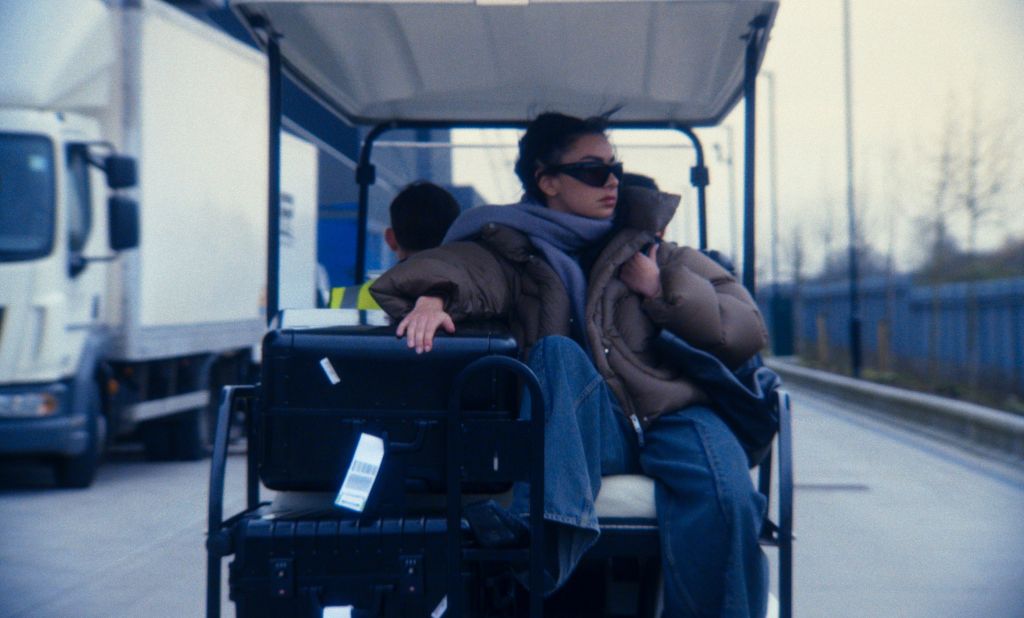
Charli XCX in The Moment.
Jenner is one of several big names making appearances in The Moment either as fictionalized versions of themselves or playing made-up characters. Very funny Rachel Sennott cameo aside, the film’s MVPs, since Charli has to mostly play it straight, belong to the latter camp, namely a riotous (and perhaps pointedly cast) Rosanna Arquette as a mercenary label head who hisses more than speaks and Alexander Skarsgård as a hacky Amazon-sanctioned documentarian hired to film the Brat tour for streaming-era posterity. He thinks it would be best to eschew the planned-on nightclub-in-an-arena aesthetic that was really mounted for something more in line with Miley Cyrus’ Dionysian Bangerz tour, littered with life-size cigarette-and-lighter props and remote-control neon wristbands.
The Moment doesn’t achieve the sort of greatness on par with Spinal Tap or A Hard Day’s Night. Maybe that’s because of the unshakeable feeling that it’s more than anything well-constructed branding, burnishing Charli’s admirable image of self-awareness, good taste, and perfectly calibrated vulnerability without very significantly complicating or enriching what we already know about her. (The movie The Moment actually probably has the most in common with is Alex Ross Perry’s recent, hard-to-classify Pavements documentary, in which nearly everything comes with a teasing in-on-the-joke caveat.) Those less receptive to this specific cinematic pursuit of Charli’s have more opportunities to warm up to her on-screen presence elsewhere: There are four more chances this year alone to see her in something, not including the aural stamp she’s made on Emerald Fennell’s “Wuthering Heights” (Fennell’s quotes, not mine), for which she did the soundtrack and which comes out next week. Brat summer, if it didn’t already, now feels definitively over; its creator has other things to attend to.
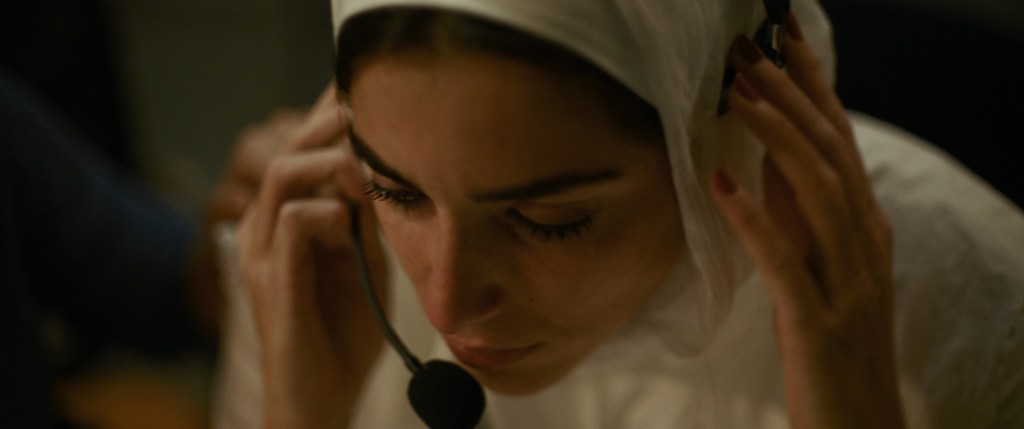
Saja Kilani in The Voice of Hind Rajab. Courtesy of Willa.
On Jan. 29, 2024, a 6-year-old girl from Gaza City named Hind Rajab was killed by the Israel Defense Forces. Moments before her death, she’d been holding out some hope that she’d be saved. Hind had been evacuating from her home with six other family members but became trapped in the vehicle they were escaping from when the IDF shot enough rounds in it to kill everyone else on board. She was subsequently on the phone for more than an hour with Palestine Red Crescent Society workers coordinating a rescue, which, once greenlit, went cruelly unhonored: Once paramedics finally got to the car, the IDF killed both them and the little girl they were attempting to help.
Hind’s Red Crescent calls were publicly shared by the organization a few days afterward. Tunisian filmmaker Kaouther Ben Hania was so rattled by what she heard that she abandoned something she’d been working on to make a movie about Hind. The form of the resulting project, The Voice of Hind Rajab, is provocative. It dramatizes and takes creative liberties with what happened in the bureaucratically weighed-down Red Crescent call center, a place its action entirely unfolds in where dispatchers mull over the crushing reality of potentially losing paramedics who are only trying to save civilians to callous military forces. But it uses the actual calls between the organization and Hind, employing actors as its real-life subject’s scene partners.
It’s an uneasy, ethically questionable blend, pitting genuine and (even if it’s grounded in compassion and grief) acted peril against one another. It would feel more dubious if Ben Hania hadn’t connected during pre-production with the real-life Red Crescent workers and if Hind’s mother had not encouraged its making, seeing it as an opportunity to honor her daughter’s memory and also underscore the ruthless horrors of Israel’s genocide of Palestinians. Efficiently made and acted, The Voice of Hind Rajab accomplishes its devastating, humanity-appealing aims, urgently if thornily harnessing cinema’s ability to be used as a conduit to document and to amplify.
 Peterson Reviews