In 2007, Logo aired a 40-minute documentary called Queer Streets. Its trio of student directors — Alex Waterfield, Brooke Sopelsa, and Sarah Feightner — profiled a handful of New Yorkers who shared a few characteristics: They were young, queer, and homeless. Among those followed was a trans woman named Kristen Lovell, who’d for years been making a living as a sex worker by soliciting clients in the Meatpacking District. Lovell’s participation in Queer Streets clarified some things for her. She, too, wanted to be a filmmaker; she wanted to be the one steering the narrative, unbound by someone else’s gaze.
The personal breakthrough eventually resulted in The Stroll (2023), an HBO documentary she co-directed with Zackary Drucker whose namesake nods to the expanse of West 14th Street where she and many fellow trans sex workers worked for decades before the area’s thorough end-of-the-aughts gentrification. (Late in the film, one of her peers, Izzy, breaks down, the bisection of bad memories and the returned-to neighborhood’s sudden unrecognizability too much to bear.) The movie, tenderhearted but urgent, quivers with affectionate determination as it time-travels back to when Lovell and her colleagues did business in a borough that’s more than once in the documentary likened to living, breathing film noir. Also on camera for much of the film both as a subject and a benevolent interlocutor, Lovell knew that if she didn’t make The Stroll, her and her peers’ stories might be forgotten. And if someone else — in other words, an outsider — did find their personal histories worth making a film about, they might not bring, like in Queer Streets’ case, the dimension an insider’s perspective could.
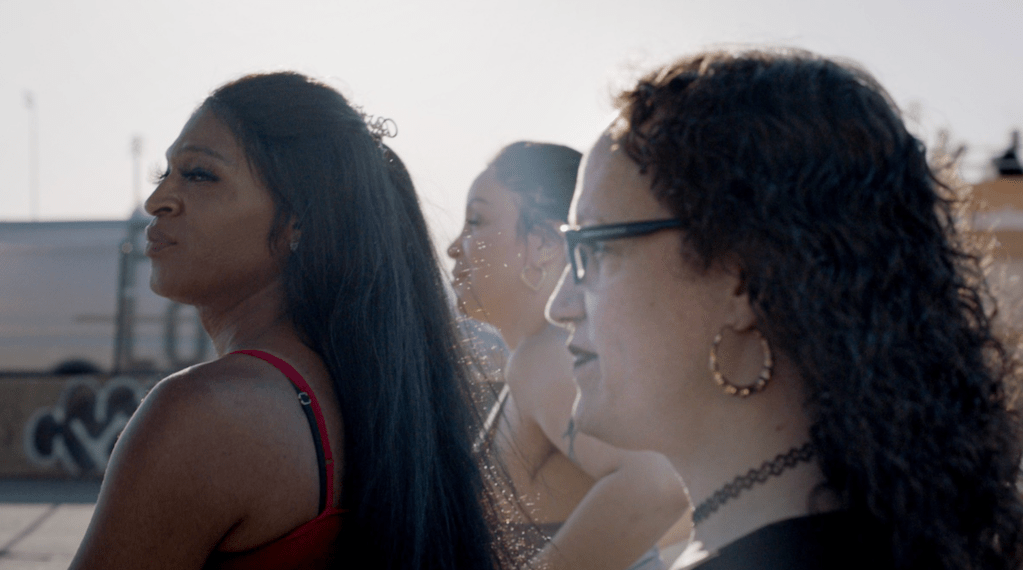
The Stroll conducts one-on-one interviews with several of the women Lovell worked alongside. They’re nostalgic about the supportive sisterhood they found and are still giggly over some of the weird-but-milquetoast asks of some of their clients. (I particularly loved the few-and-far-between moments where different groups of these women are seen, away from the interviewee’s chair, traipsing around their old neighborhood, alternately joking around and confounded by how much has changed, a once-dilapidated pier now a sleek promenade and the Chelsea Highline reborn as a much-visited public park.)
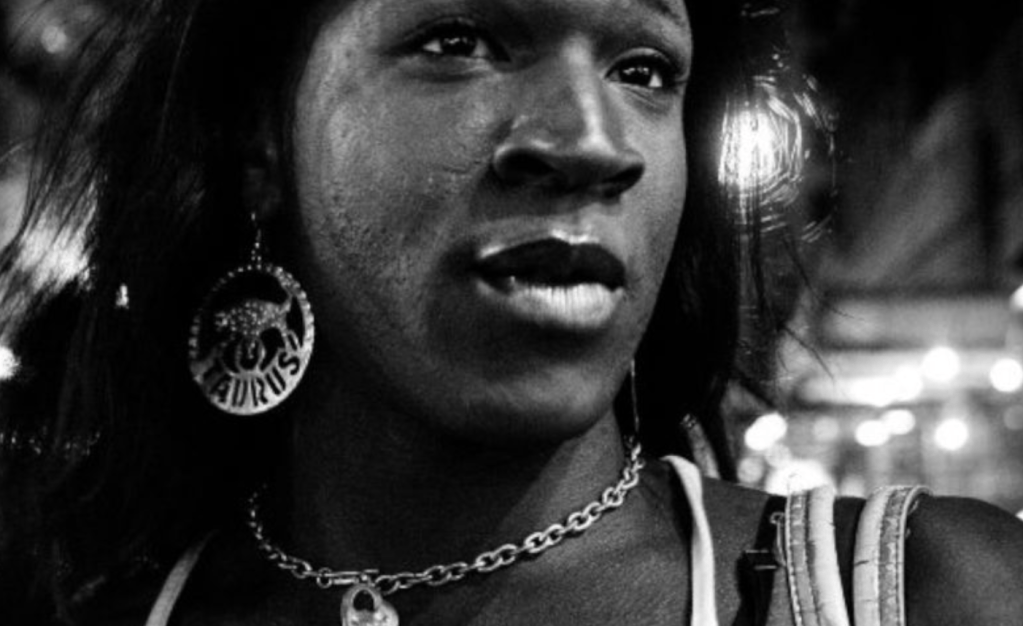
Kristen Lovell in The Stroll.
They’re also frank about the difficulties of the precarious job. Dangerous johns made it a tacit requirement to learn how to fight back with the assistance of closely held tasers or knives; it wasn’t uncommon for everybody to stop what they were doing to lend a hand to someone at risk, assembling not unlike the Avengers. Aggressive, discriminatory surveillance by police — some of whom paid for sex before flashing their badges — precipitated nimble collective tactics for running and hiding, though that couldn’t consistently prevent near-constant arrests: A few of The Stroll’s participants practically shrug about having more than 50 bookings to their names.
Lovell is careful not to make generalizations, but she reminds viewers that most of the women who worked The Stroll didn’t have another choice. (She herself had a coffee-shop gig before transitioning and was immediately fired when she publicly came out.) The traditional professional world was, and in many fields still is, firm about not wanting to hire trans people, and it didn’t help to be homeless, either, regardless of whether the condition arose from forced familial estrangement.
In The Stroll’s later sections, Lovell and Drucker reiterate how much a force trans people have been in pushing forward gay rights while continuing to have much of that work most of all enjoyed by the queer community’s more widely embraced cisgender members. Matthew Shepherd’s horrific 1998 killing is invoked compassionately while also being used to point out that, around the same time, local trans sex worker Amanda Milan was also murdered but did not stir a citywide explosion of grief in the same way it did for a white, cis gay man living in a different state.
It’s a hard-won victory when the film climaxes with some successful fundraising for Queens’ Ace’s Place, the U.S.’s first shelter solely dedicated to unhoused trans people. One of The Stroll’s core messages remains clear, though: There isn’t nearly enough being done infrastructurally to ensure trans people’s well-being. But while it laments the conditions that made the superhuman resilience and strength of its subjects necessary to survive, The Stroll feels, above all, celebratory, never dwelling too long on traumatic memories. “That is always the narrative — that we are just these miserable people who’ve transitioned and live these horrible lives,” Lovell said in an interview with Decider a few years ago. “But even in the most dire situations, you need joy to persevere through it all.”

